

 One Dozen Things
Informed Consent
Overview
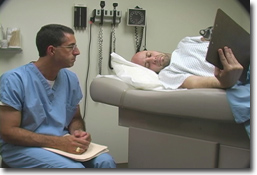 Before they are asked to provide consent, patients in the United States have the legal and ethical right to receive all relevant information about possible outcomes and complications of proposed studies, interventions, or surgeries. In order to constitute informed consent, the potential risks, benefits, and alternatives to a proposed procedure must be discussed, and any patient questions or concerns must be addressed. Situations where emergencies preclude proper consent, or those involving unaccompanied minors and others who are not “competent” to make informed decisions, require special procedures in accordance with state law and hospital protocol. In some cases, a relative or other person may have the legal responsibility (e.g., Power of Attorney or legal conservatorship) to provide consent on behalf of the patient when he or she is unable to do so. When a patient is unresponsive or unable to make informed decisions, an attempt should be made to locate the patient’s Advanced Directive. An Advanced Directive is a legal document that specifies the care a patient may or may not wish to receive in the event that he or she becomes terminally ill or unresponsive and cannot participate directly in the decision-making process. Consultation with family members, social workers, the hospital ethics team, or other staff can be helpful in these situations. When in doubt regarding informed consent, ask for help!
A special situation that is frequently seen in U.S. medicine relating to informed consent involves the “Do Not Resuscitate” (DNR) order. When these orders are legitimately in place, advanced resuscitative techniques must not be employed, and intervention should be aimed at comfort measures rather than heroic efforts to resuscitate the patient.